
Genova Diagnostics: GI Effects Comprehensive Stool Testing
Why stool testing? Our gut is a pretty amazing place, where 70% of our immune system lives and more neurotransmitters are made than in our brain! Repairing the gut can be the pivotal step in reaching good health when living with the following conditions:
- Irritable Bowel Syndrome (IBS)
- Inflammatory Bowel Disease (IBD)
- Diabetes
- Obesity
- Cardiovascular Disease
- Celiac and Other Malabsorption Disorders
- Mood Disorders
- Autoimmune
- Autism
With the GI effects test your Registered Dietitian can unlock some puzzle pieces and put them together with your symptoms and nutrition to get you feeling better! There are many more pieces to put together: our genetics, lifestyle, stress, sleep, medications, exposure to chemicals to name a few that can also impact our recommendations.
See Stool Testing Sample Report here!
What are we uncovering with the GI Effects Stool Test?

Infection:
This section of the test will uncover if parasites are present in the sample.
Symptoms include severe abdominal pain, nausea and vomiting. There is a higher risk if you have traveled out of US or have been exposed to untreated water.
Inflammation:
Markers of inflammation that can indicate irritable bowel disease, food sensitivities, parasites, or food allergies.
Insufficiency:
Are your digestive enzymes functioning? Are you able to break down fat, carbohydrates and protein?
Symptoms include diarrhea, weight loss, maldigestion, abdominal pain, and low bone density. Risk factors include chronic pancreatitis, diabetes, Celiac disease, cystic fibrosis, irritable bowel syndrome, alcohol consumption, and gallstones. The function of digestive enzymes may decrease with age and in vegetarian/vegan diets.
Imbalance
Is bad bacteria or yeast taking over?
The GI effects test will also provide information as to what medications and natural supplements can help get rid of these unwanted bacteria.
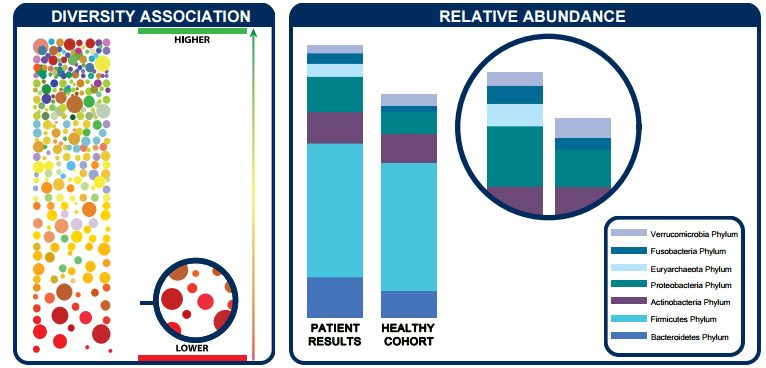
Next we take a look at the diversity and abundance of probiotics. Low probiotic diversity and abundance can be indicative of antibiotic use but can also be due to a low fiber diet. A diet rich in whole grains, fruits, vegetables, legumes and nuts provide the fiber that is the fuel source for probiotics to keep them thriving.
Interested in finding out more about the health of your gut?
Genova GI effects testing kits can be sent directly to your home where you can do a quick and easy collection and send directly to the lab. Working with one one of our Registered Dietitians you can incorporate these results into your nutrition and wellness goals. Contact us at 301-474-2499 or by email at admin@rbitzer.com with any questions or to schedule an appointment with one of our Registered Dietitian Nutritionists.

Kathleen Tabb is a registered dietitian based in Maryland. She specializes in digestive conditions such as irritable bowel syndrome (IBS) and has extensive training through her master’s degree in integrative and functional nutrition. She is passionate about looking at her clients holistically to illuminate the root cause of their concerns in order to improve health and quality of life.