
From the moment we take our first breath to the countless beats that follow, our hearts tirelessly pump life-sustaining blood throughout our bodies, nourishing every cell and organ. Yet, despite its vital role, the heart is not invincible. Heart disease remains a leading cause of mortality worldwide, reminding us of the paramount importance of heart health.
Nutrition can have a significant influence on our heart health. The foods we choose to eat can impact the risk factors associated with heart disease, including cholesterol levels, blood pressure, and inflammation.
Before diving into how nutrition impacts heart health, we want to remind you that nutrition is highly individualized and we always recommend consulting with your dietitian and other members of your treatment team before making any changes.
Understanding Heart Health
Cardiovascular diseases (CVDs) is an umbrella term that encompasses a range of conditions that affect the heart and blood vessels. Nutrition can play a role in the possible development or prevention of the following CVDs:
- Coronary Artery Disease (CAD) aka “Heart Disease”: This condition occurs when the blood vessels supplying the heart muscle become narrowed or blocked due to the buildup of plaque (atherosclerosis). It can lead to chest pain (angina), heart attack, or other complications. In the United States Heart Disease (CAD) is the leading cause of death for both men and women across most racial and ethnic groups (1).
- Heart Failure: Heart failure occurs when the heart is unable to pump blood efficiently, leading to fluid buildup in the lungs and other parts of the body. It can result from various conditions, including CAD, hypertension, and heart muscle damage.
- Stroke: A stroke occurs when blood flow to part of the brain is interrupted, either due to a blockage (ischemic stroke) or bleeding (hemorrhagic stroke). It is a serious condition that can cause permanent brain damage or death.
- Peripheral Artery Disease (PAD): PAD occurs when the arteries in the arms or legs become narrowed or blocked, leading to reduced blood flow. It can cause symptoms such as leg pain, numbness, or weakness, and increases the risk of heart attack and stroke.
Risk Factors
The development of health conditions is complex and can be impacted by factors like genetics, socioeconomic status, access to healthcare, environmental factors, etc. However, we can also acknowledge that lifestyle (like diet and exercise) can also play a role.
Blood pressure, blood sugar, cholesterol, and triglyceride levels are important factors in our heart health and nutrition can play a huge part in managing these health markers.
Hypertension (High Blood Pressure):
High blood pressure puts increased pressure on the walls of the arteries, leading to damage over time. This damage makes our arterial walls more susceptible to plaque buildup, which can narrow the arteries and ultimately reduce blood flow to the heart and brain—the hallmark of CAD. For this reason, hypertension is a significant risk factor for heart disease, stroke, and other health issues.
Cholesterol
We’ve all heard of it, maybe even that there’s a “good” and “bad” kind. What is it and what does it have to do with our heart health? Despite it getting a bad rep, cholesterol is a perfectly natural and quite important waxy, fat-like substance produced by our liver. It is absolutely essential in order for our body to make cell walls, tissues, hormones, Vitamin D, and even bile acid so that we can digest fats from the food we consume.
Issues arise when we have too much of it. This is where “good” or HDL and “bad” or LDL come in. HDL and LDL are essentially the transporters of cholesterol between the liver and the rest of our body.
LDL carries cholesterol from the liver to the rest of the body for one of the uses listed above. When too much LDL is leaving our liver and circulating in our bloodstream, plaque can begin to build up in our arteries. As we talked about earlier, this buildup can narrow the arteries and restrict blood flow contributing to development of CVDs. These plaques also run the risk of breaking, which can also cause restricted blood flow and fatal outcomes like a stroke.
HDL carries cholesterol from the bloodstream and artery walls back to the liver for disposal. This is why HDL is considered protective against CVDs because it prevents plaque buildup.
Triglycerides
Triglycerides are a type of fat circulating in the bloodstream. When the body has unused energy, it is packaged up as a triglyceride for storage. While they are found circulating in the blood, they are mostly stored in the body’s fat cells. When excess energy is consumed and/or not enough energy is being expended, more triglycerides are produced, which can build up in the blood. These free floating triglycerides can contribute to plaque formation.
Nutrition Management
Treatment of these heart health risk factors can include diet changes, exercise, and medication management. Nutrition can play a large role in improving these health markers.
- Managing Cholesterol Levels: A diet high in saturated and trans fats can raise levels of LDL cholesterol (often referred to as “bad” cholesterol) in the blood, increasing the risk of plaque buildup in the arteries. On the other hand, consuming foods rich in soluble fiber, such as oats, beans, and fruits, can help lower LDL cholesterol levels.
- Controlling Blood Pressure: Excess sodium intake can elevate blood pressure, increasing the strain on the heart and blood vessels. A diet low in sodium and high in potassium, found in fruits, vegetables, and whole grains, helps maintain healthy blood pressure levels.
- Reducing Inflammation: Chronic inflammation is linked to the development of heart disease. Antioxidant-rich foods, including colorful fruits and vegetables, nuts, seeds, and fatty fish high in omega-3 fatty acids, help reduce inflammation and protect against cardiovascular damage.
- Promoting Weight Stability: Maintaining your weight is crucial for heart health. A balanced diet that includes plenty of fruits, vegetables, lean proteins, and whole grains, while limiting processed foods, sugary beverages, and excessive calorie intake, supports weight stability.While we live in a weight-centric society that stresses that weight loss is the answer to all of our health problems, we cannot ignore the damage that weight cycling can have on our health. Losing weight and then regaining it (possibly over and over again) takes a toll on our heart and metabolic health. Weight regain (which may occur in the majority of intentional weight loss efforts) can cause strain on the heart and worsen insulin resistance. (2)
- Supporting Overall Cardiovascular Health: Certain nutrients, such as omega-3 fatty acids, found in fatty fish like salmon and mackerel, have been shown to improve heart health by reducing triglyceride levels, decreasing the risk of arrhythmias, and lowering the risk of heart attack and stroke.
- Improving Blood Sugar Control: Uncontrolled diabetes is a major risk factor for heart disease. Eating a balanced diet that emphasizes fiber and protein can help stabilize blood sugar levels and reduce the risk of diabetes-related heart complications.
Key Nutrients for Heart Health
Dietary Fat
Fat is an essential component of a balanced diet, serving crucial roles in hormone production and satiety. Understanding the distinctions between saturated, unsaturated, and trans fats is vital for heart health.
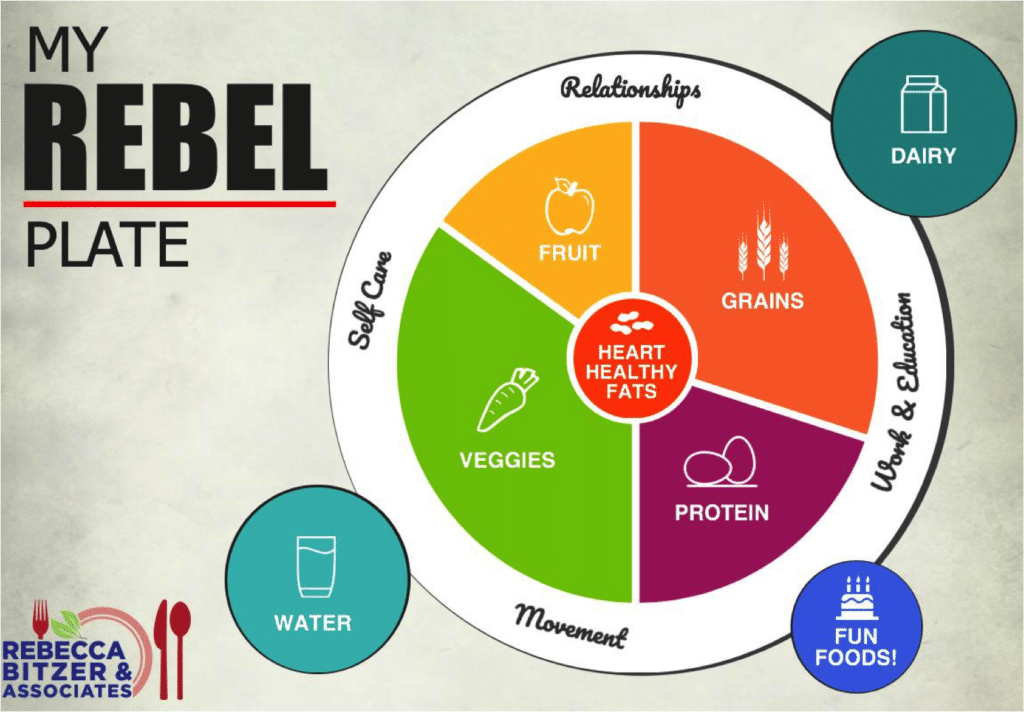
Saturated Fat
Saturated fats are a type of fat that are solid at room temperature. Some amount of saturated fats from our diet are required for essential bodily function, but consuming high amounts frequently has been linked to elevated LDL cholesterol levels. As we discussed earlier, high LDL cholesterol levels can increase the risk of heart disease.
Food sources:
- Animal-based proteins like meat and dairy
- Plant-based oils like coconut oil and palm oil
- Butter, ghee, lard
- Pastries and confections
Unsaturated Fats
In contrast, unsaturated fats, such as monounsaturated and polyunsaturated fats, have the opposite effect, lowering LDL cholesterol thus reducing the risk of cardiovascular complications. These fats are liquid at room temperature and are found in both plant and animal sources.
Food Sources:
- Monounsaturated fats are found in foods like olive oil, avocados, nuts (like almonds, peanuts, and cashews), and seeds (such as pumpkin seeds and sesame seeds).
- Polyunsaturated fats are found in foods such as fatty fish (like salmon, tuna, trout, sardines, and mackerel), flaxseeds, chia seeds, walnuts, and soybean oil.
Omega-3 Fatty Acids
Another important fat to mention is Omega-3 fatty acids. These are a type of polyunsaturated fat and are essential for human health, meaning the body cannot produce them on its own and must obtain them from the diet. They can play a huge role in heart health by reducing plaque buildup in the arteries and decreasing the amount of triglycerides in the blood. There are three main types of omega-3 fatty acids: ALA, EPA, and DHA.
Food Sources:
- Alpha-linolenic acid (ALA): flaxseeds, chia seeds, hemp seeds, walnuts, and certain vegetable oils like flaxseed oil and canola oil
- Eicosapentaenoic acid (EPA): fatty fish like salmon, tuna, trout, sardines, and mackerel
- Docosahexaenoic acid (DHA): fatty fish like salmon, tuna, trout, sardines, and mackerel
Omega-3 fatty acids offer numerous health benefits, including reducing the risk of heart disease, lowering blood triglyceride levels, improving brain function, and reducing inflammation throughout the body. Including a variety of omega-3-rich foods in your diet or taking omega-3 supplements can help ensure an adequate intake of these important nutrients.
Trans Fats
Trans fats used to be more prevalent in packaged foods and were found in partially hydrogenated vegetable oils. These oils were commonly found in margarine, shortening, baked goods, snack foods and fried foods to improve flavor, texture and shelf stability. While it is best to limit consumption of trans fats because of their negative effect on cholesterol, they are no longer commonly found in the U.S. food system.
What about dietary cholesterol?

Dietary cholesterol was once believed to directly impact your blood cholesterol levels. This is why you may have heard the advice to “avoid egg yolks” at some point in time due to their cholesterol content. However, in recent years, research has provided more nuanced understanding about dietary cholesterol and its impact on blood cholesterol levels. It’s now recognized that dietary cholesterol from sources like eggs has a relatively modest effect on blood cholesterol levels for most people, and other factors in the diet, such as saturated and trans fats, are what likely have a more significant impact on heart health.
In summary, opting for sources of healthy fats most of the time, like monounsaturated and polyunsaturated fats, as well as omega-3 fatty acids, can further promote heart health by lowering total cholesterol, decreasing plaque buildup in arteries, and reducing unhealthy triglyceride levels in the blood. However, there is no need to fear saturated or trans fats, it is totally ok to enjoy foods containing them in moderation. Oh, and consider the “dietary-cholesterol-raises-your-blood-cholesterol -levels” myth, busted.
Fiber: The heart’s best friend
Fiber is the indigestible bulk or roughage from food that passes through the stomach and intestines and exits the body. You may associate fiber with aiding in digestive health, but did you know there is a huge heart health benefit to having fiber too?
There are 2 types of fiber: soluble and insoluble. While insoluble fiber has numerous benefits to overall health, soluble fiber has a greater impact on heart health. Soluble fiber dissolves in water to form a gel-like substance. You can imagine it as a sponge that soaks up water as it moves through your digestive tract. Not only does it slow digestion to help stabilize your blood sugar levels, but soluble fiber has been found to bind to LDL cholesterol (bad kind) in your blood and excrete it from your body! This is extremely useful in reducing heart disease risk. It is commonly found in foods like oats, peas, beans, apples, citrus fruits, carrots, barley, and psyllium.
It is important to note that introducing too much fiber too quickly can lead to discomfort such as gas, bloating, and cramping. Make sure you are drinking plenty of water and increase your fiber consumption gradually. So how much do we need? The Institute of Medicine recommends 38 grams of fiber per day for men aged 50 or younger and 30 grams for those aged 51 or older. Women should aim for 25 grams and 21 grams, respectively. Please note recommendations vary based on age, sex and specific health conditions. These recommendations are based on the average intake needed for overall health and may vary depending on individual needs and circumstances. Some individuals, such as those with certain gastrointestinal conditions or specific dietary preferences, may require different amounts of fiber.
Additionally, specific dietary guidelines or recommendations may differ between countries or health organizations. It’s always a good idea to consult with a healthcare provider or registered dietitian to determine the appropriate fiber intake for your individual needs and circumstances.
Where to find fiber
Want to up your fiber game? Try including these foods into your daily routine::
- Whole grains like oats, wheat, bran, and quinoa
- Legumes like black beans, chickpeas, and lentils
- Fruits like berries, pears, apricots, prunes, and citrus fruits
- Vegetables like artichoke, squash, green beans, kale, carrots, peas, and brussels sprouts
- Nuts and seeds like chia, flax, almonds, pistachios, and pecans
While fiber supplements are available, it’s best to prioritize whole foods for your fiber needs. Whole foods offer a diverse array of fibers, along with essential vitamins, minerals, and nutrients that supplements may lack. Keep in mind that some foods are fortified with fiber, often using ingredients like “inulin” or chicory. While these can be beneficial, they may cause gassiness in some individuals.
For those with specific health conditions that require higher fiber intake, supplements may be necessary. However, consulting with a healthcare provider or registered dietitian is advisable to determine the appropriate supplement and dosage.
Sodium
We can’t talk about heart health without mentioning sodium. High sodium intake can increase blood pressure, which can lead to additional cardiovascular complications. A general recommendation for sodium is to limit to 2300 mg of sodium per day. However, if you have high blood pressure, the recommendation is closer to 1500 mg per day (3).
High sources of sodium include:
- Table salt
- Restaurant and fast foods
- Convenience foods
- Canned foods (rinse to reduce sodium!)
- Sauces and condiments
- Processed meats
- Breads
A low sodium diet does not mean these foods cannot be incorporated in your diet, but you may need to be more intentional about your other food choices that day to stay below your sodium goals. When reading the nutrition facts label, a good rule of thumb is to look for foods with less than 300 mg of sodium per serving.
Antioxidants: Protecting the heart from oxidative stress
First, let’s define “oxidative stress.” To do that we have to talk about “free radicals.” Free radicals are unstable molecules that are produced both naturally as a result of normal metabolic function and as a consequence of environmental factors. These free radicals can “attack” other molecules in our body, leading to cell damage. Luckily, our bodies have antioxidants, which are the natural defenses to neutralizing these unstable free radicals. However, if free radicals accumulate in the body faster than the body can neutralize, this is when we see “oxidative stress.” This stress can damage cell membranes, proteins, and DNA, which ultimately leads to a myriad of health problems, including cardiovascular disease.
Antioxidants help protect the cardiovascular system from oxidative stress and are found in many foods, particularly in fruits, vegetables, nuts, seeds, and beverages like tea and red wine. Some of the most well-known antioxidants include:
- Vitamin C (ascorbic acid): Found abundantly in citrus fruits, strawberries, kiwi, bell peppers, and broccoli
- Vitamin E (tocopherols and tocotrienols): Found in nuts, seeds, vegetable oils, and leafy green vegetablesBeta-carotene: This precursor to vitamin A is found in orange and yellow fruits and vegetables like carrots, sweet potatoes, and cantaloupe, as well as in leafy greens like spinach and kale
- Selenium: Found in Brazil nuts, seafood, poultry, and eggs, selenium is a trace mineral that acts as a cofactor for antioxidant enzymes, such as glutathione peroxidaseFlavonoids: These plant compounds are found in colorful fruits, vegetables, tea, cocoa, and red wine. Examples include quercetin (found in apples, onions, and berries), catechins (found in green tea), and anthocyanins (found in berries and red grapes)
- Polyphenols: These compounds are found in a variety of plant-based foods, including fruits, vegetables, whole grains, nuts, seeds, and beverages like tea, coffee, and red wine. Examples include resveratrol (found in red wine and grapes), curcumin (found in turmeric), and epigallocatechin gallate (EGCG, found in green tea)
- Lycopene: This red pigment found in tomatoes, watermelon, pink grapefruit, and other red fruits and vegetables
These are just a few examples of the many antioxidants found in foods. A diet rich in a variety of fruits, vegetables, nuts, seeds, and other plant-based foods can provide a wide range of antioxidants to help protect against oxidative stress and support heart health.
Building a Heart-Healthy Plate
The Mediterranean Diet
The Mediterranean diet is certainly not the only diet that promotes health and wellbeing, however it is the most studied. Here are the primary principles of the Mediterranean style diet:
- Base your meals around plant foods: Make vegetables, fruits, whole grains, legumes, nuts, and seeds the foundation of your meals. Aim to fill at least half of your plate with colorful vegetables and fruits.
- Aim to make at least half of your grains whole grains. Don’t force yourself to eat foods you don’t enjoy; instead, experiment with a variety of whole grains until you find what you love.
- Use olive oil as your primary oil and decrease use of butter, margarine, coconut oil, and other higher saturated fats. Use olive oil for cooking, salad dressings, and dips like hummus.
- Eat fish and seafood regularly: Include fatty fish such as salmon, mackerel, sardines, and trout in your diet at least twice a week. These are rich in omega-3 fatty acids, which are beneficial for heart health.
- Limit red meat and opt for lean protein sources: Reduce your intake of red meat and processed meats. Instead, choose lean protein sources like poultry, eggs, legumes, and plant-based alternatives like tofu and tempeh.
- Dairy: Include dairy like Greek yogurt, kefir, and cheese. Nutrition science is constantly changing and evolving and current research suggests that full fat dairy may not impact cardiovascular risk, while some studies even suggest it may be beneficial (4).
- Flavor with herbs and spices: Use fresh herbs and spices like basil, oregano, thyme, rosemary, garlic, and cinnamon to add flavor to your dishes instead of relying on salt and processed sauces.
- Stay hydrated by drinking water throughout the day.
Reading Food Labels: Making Informed Choices
Navigating nutrition labels and making informed choices about the foods is a useful skill for heart health. By learning to decipher labels, we can make heart-healthy selections, prioritize nutrient-rich options, and avoid hidden sources of unhealthy fats, sodium, and added sugars.

Here are the tips for reading nutrition labels:
- Check Serving Size: Understand the portion size the nutritional information applies to.
- Watch Saturated and Trans Fat: Compare these to the total fat content for a better understanding of fat types.
- Be Aware of Sodium Levels: Aim for products with less than 300 mg per serving to support heart health.
- Prioritize Higher Fiber Content: Look for products with over 3 grams of fiber per serving for better digestive health.
By incorporating these tips into your routine, you can make more informed decisions about the foods you consume and better support your overall health and wellness. Remember, these tips are only meant to bring awareness, not to create rigidity or food rules.
Cooking Methods for Heart Health
Cooking methods play an important role in promoting heart health by influencing the amount of saturated and total fat in our diets. Opting for cooking techniques like grilling, baking, steaming, or sautéing with minimal oil, can reduce fat intake. By incorporating more plant-based meals into our diets, we can further support heart health by increasing our intake of fiber, vitamins, minerals, and antioxidants while reducing reliance on animal products high in saturated fat. Plant-based meals centered around fruits, vegetables, whole grains, legumes, nuts, and seeds not only provide essential nutrients but also offer delicious and satisfying alternatives to traditional meat-based dishes.
Dining Out
Dining out presents challenges for maintaining a heart-healthy diet. When looking at the menu, here are a few strategies to pick out heart healthy options:
- Look for dishes that emphasize lean protein sources like grilled chicken or fish, and opt for steamed or roasted vegetables as side dishes instead of fried options.
- Check to see if any meals incorporate whole grains like brown rice or quinoa.
- Try to incorporate a vegetable option for more fiber.
- Consider asking for dressings and sauces on the side to have control over the amount used.
We know it is unrealistic and unsustainable to only choose these types of options every time you eat. It is ok to enjoy your favorite foods in moderation. You can try ordering the option that you really want or are craving (like maybe it’s french fries) but also trying to pair it with a grilled protein option or maybe another vegetable side. By employing these strategies and making mindful choices while dining out, it’s possible to enjoy delicious meals while still prioritizing heart health.
The Role of Lifestyle Factors
When it comes to heart health, our daily habits can affect our well-being. Regular physical activity is a key part to keeping our hearts healthy. Exercise helps strengthen the heart, improve circulation, and lower the risk of diseases. By adding simple activities like walking briskly, cycling, or playing sports into our daily routine, we take steps towards better health and energy.
Regular physical activity
Incorporating physical activity into your daily routine doesn’t have to be overwhelming. Here are some tips to help you get started:

- Set realistic goals: Start with achievable goals. If you are starting from scratch, aim for a 5-10 minute walk a few times a week and gradually increase from there. Even a small amount of movement can have a big impact.
- Find activities you enjoy: Choose activities that you genuinely enjoy, whether it’s walking, biking, dancing, swimming, or playing a sport. When you enjoy what you’re doing, you’re more likely to stick with it.
- Schedule it in: Treat exercise like any other important appointment by scheduling it into your day. Block off time on your calendar for physical activity, and treat it as non-negotiable time for self-care.
- Mix it up: Keep your routine interesting by incorporating a variety of activities. Try different types of exercise to prevent boredom and target different muscle groups.
- Make it social: Exercise with friends or family members to make it more enjoyable and hold each other accountable. Joining a sports team, fitness class, or walking group can provide social support and motivation.
- Make it convenient: Choose activities that fit into your schedule and lifestyle. If time is limited, break up your exercise into shorter sessions throughout the day, such as taking a brisk walk during your lunch break or doing a quick workout at home.
- Incorporate activity into daily tasks: Look for opportunities to add more movement into your daily routine. Take the stairs instead of the elevator, walk or bike to nearby destinations instead of driving, or do squats or lunges while brushing your teeth.
- Use technology: Use fitness apps, wearable activity trackers, or pedometers to monitor your progress, set goals, and track your steps or workouts. These tools can provide motivation and accountability.
- Reward yourself: Celebrate your accomplishments and milestones along the way. Treat yourself to something special when you reach your goals, whether it’s a new workout outfit, a massage, or a fun outing.
- Be flexible: Life can be unpredictable, so be willing to adapt your exercise routine as needed. If you miss a workout or have a busy day, don’t get discouraged—just get back on track the next day. Consistency is key, but it’s also important to be kind to yourself and listen to your body.
Stress Management and Relaxation Techniques
Understanding the connection between stress and heart health is crucial for overall well-being. Chronic stress can contribute to the development of heart disease by elevating blood pressure, increasing inflammation, and promoting unhealthy behaviors such as overeating or smoking. Therefore, implementing strategies to reduce stress and promote relaxation is essential for maintaining a healthy heart. These strategies may include mindfulness meditation, deep breathing exercises, yoga, tai chi, or progressive muscle relaxation.
Additionally, engaging in regular physical activity, spending time in nature, practicing gratitude, and fostering social connections can also help alleviate stress and promote emotional well-being. By prioritizing stress management and relaxation techniques in our daily lives, we can support our heart health and enhance our overall quality of life.
If you have been diagnosed with a heart health concern like high blood pressure or high cholesterol, or are at risk for these concerns, you are not alone. Navigating these recommendations alone can be overwhelming. If are looking for someone to partner with you and walk you through the habits that can lead to better heart health, consider meeting with one of our registered dietitians today.

An award winning recipe developer, Dietitian Kaitlin’s mission is to empower others to reach their health goals by encouraging them to get back into the kitchen. Co-author of Nourished: 10 Ingredients to Happy, Healthy Eating and Cooking with Diabetes.